

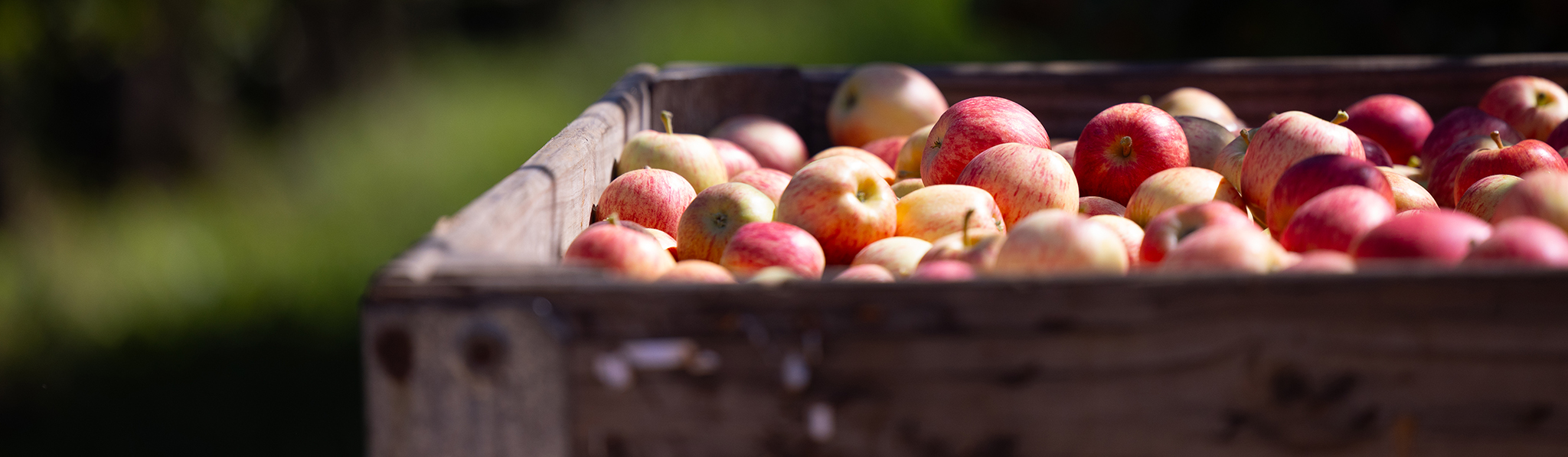
While the harvest season gradually starts winding down, the pace inside the packhouses continues at full steam. Fruit continues moving through the packlines each day, with this season’s intake exceeding initial estimates and keeping teams busy across all areas of our operation.
But long before the harvest began, many of the season’s most important decisions had already been made.
Behind every bin of fruit is a farmer who planned months ahead, often long before the first apple or pear was picked.
Fruit farming requires long-term thinking. Decisions made during one season directly influence the next, and growers constantly balance timing, weather conditions, orchard management, water usage, labour planning, and fruit quality throughout the year. By the time fruit reaches the packhouse, the work behind it has already been unfolding for months.
Harvest season may be one of the busiest and most visible times in the agricultural industry, but it represents only a small part of a much longer process. As the season gradually shifts from late summer towards winter, orchards begin to change alongside it. Cooler mornings settle in, rain becomes more frequent, and the landscape slowly starts preparing for a different stage in the cycle.
Even as harvest continues and fruit keeps moving through the packhouse, farming never really stands still. While one season is still underway, growers are already thinking ahead to orchard health, future production, changing conditions, and the decisions that will shape the next harvest.
Weather remains one of the biggest variables in farming, regardless of how much planning goes into a season. Recent heavy rainfall across the Western Cape once again highlighted how quickly conditions can change during harvest and how closely farmers work around the weather.
Apple harvesting, for example, cannot simply continue immediately after rain. Fruit absorbs moisture and becomes far more sensitive to bruising, often requiring orchards to dry out before harvesting can continue. A delay of a day or two may not sound significant, but during harvest season, timing affects everything from labour planning to packhouse flow and fruit movement.
No season unfolds exactly as expected. Conditions shift constantly, requiring farmers to adjust decisions in real time while still maintaining momentum across orchards and operations. Rainfall, temperature, wind, and timing all influence the pace and direction of a harvest season, often demanding quick adaptation and careful judgement built through years of experience.
In many ways, weather is also what humbles a farmer. No amount of preparation can guarantee a particular outcome, and every season brings its own challenges and unpredictability. The role of the farmer is not to control the conditions, but to respond to them using the best available knowledge, experience, and observation.
Although harvest often draws attention to the movement of fruit through packhouses and markets, it ultimately begins much earlier in the orchards themselves. Each bin represents far more than fruit picked on a particular day. It reflects months of preparation, planning, monitoring, and decision-making long before harvest started.
As the season on the farms gradually shifts towards winter, harvest may be drawing closer to its end, but farming itself never really pauses. While fruit continues moving through the packhouses, attention in the orchards slowly begins turning towards the next stage in the cycle and the season that lies ahead.